Source Contact Lens Cleaner with Case for Home, Office, and Travel
Find and compare 30 Contact Lens Cleaner with Case options from verified suppliers. Evaluate models like MC-902 and LK-LC101, featuring ABS+PP materials, custom logo printing, and OEM/ODM support for bulk procurement needs.
Key considerations
Products List


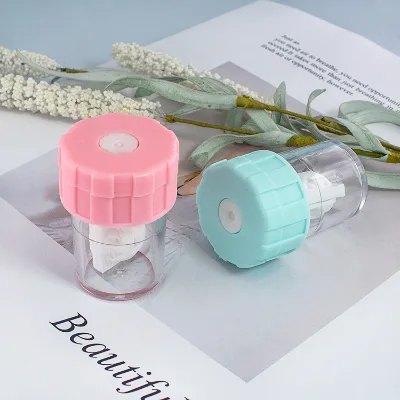
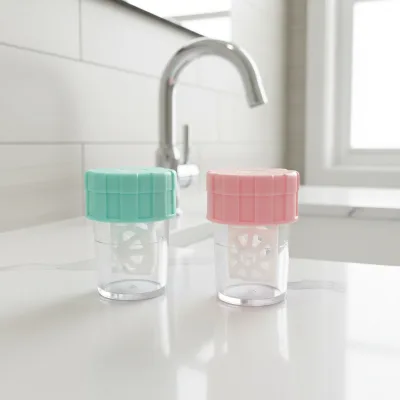
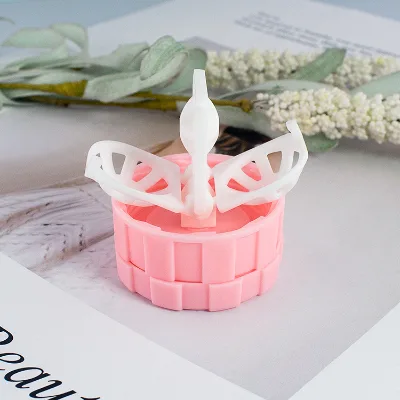
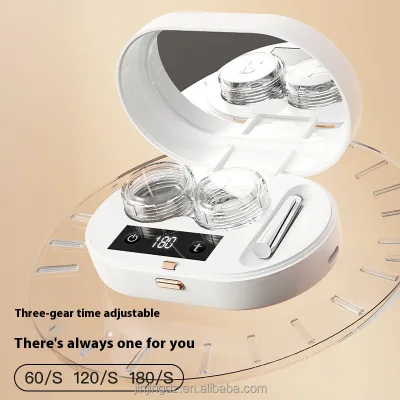
Contact Lens Cleaner Contact Lens Manual Cleaner Eye Protein Cleaning Case
$0.35 - $0.50
MOQ: 500 Pieces






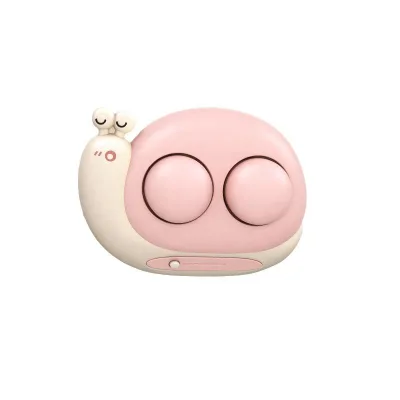

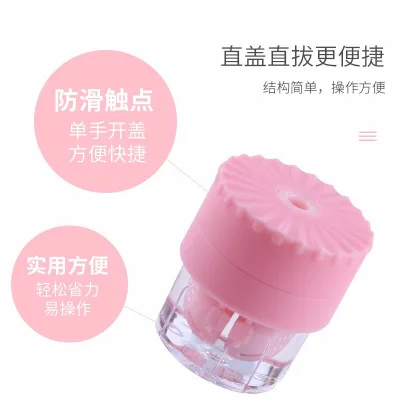


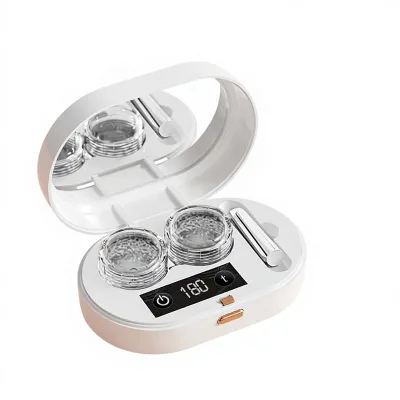


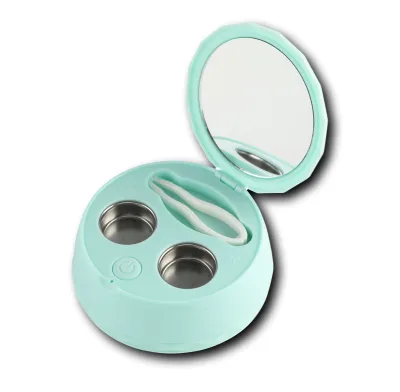



Comprehensive Sourcing Guide
Contact Lens Cleaner with Case Sourcing Guide
Sourcing contact lens cleaning systems requires a clear distinction between the storage vessel and the mechanical cleaning device. The market offers two distinct product categories that are often conflated in search results: simple plastic storage cases and manual mechanical washers. Buyers must first determine whether they are procuring passive containers for solution-based hygiene or active tools designed to physically agitate and clean lenses. This guide addresses the procurement of both types, focusing on the technical, commercial, and quality assurance aspects necessary for successful B2B acquisition.
The observed market signals indicate a high volume of listings for basic plastic contact lens cases, characterized by simple designs and low unit costs. These items are typically marketed as unisex, portable, and suitable for home, office, or travel use. In contrast, manual contact lens cleaners are more specialized tools, often constructed from durable plastics like ABS and PP, designed for specific cleaning functions. Understanding this dichotomy is critical for aligning supplier capabilities with your specific product requirements, as the manufacturing processes and quality standards for these two items differ significantly.
Product Scope and Observed Listing Signals
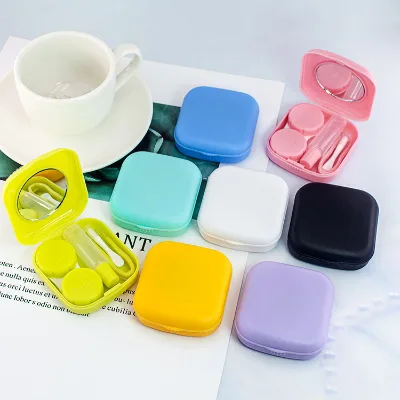
The current listing landscape is dominated by simple, pattern-less plastic contact lens cases available in a variety of colors such as yellow, pink, purple, blue, and silver. These products are generally marketed as "simple portable lense cases" with a focus on basic functionality and portability. The observed specifications suggest a standard size of approximately 50x36mm or 5x3.6cm, with a lightweight profile around 23 grams. These cases are typically sold in bulk packaging, such as 500 pieces per carton, indicating they are intended for retail distribution or promotional giveaways rather than individual high-end consumer sales.
Manual contact lens cleaners represent a more technical subset of the market, often branded under names like "Chanxin" and modeled as specific tools like the MC-902 or LK-LC101. These devices are described as eco-friendly and designed for contact lens case cleaning or lens washing, utilizing materials such as ABS and PP for durability. Unlike the simple cases, these cleaners have more complex packaging requirements, such as single items packed in color boxes with specific gross weights. Buyers should note that while the cases are ubiquitous and low-cost, the manual cleaners require more precise specification verification to ensure they meet the mechanical and ergonomic needs of the end-user.
Technical Specifications to Verify
Dimensional accuracy and material composition are the primary technical differentiators for contact lens storage cases. Buyers must verify the internal dimensions of the case to ensure compatibility with various lens types and solution volumes. The observed standard sizes range from 50x30x30 mm to 6.5x4.2x2 cm, but deviations can occur between suppliers. Additionally, the material specification is critical; while most cases are made of generic plastic, some listings specify ABS or ABS+PP blends, which offer higher impact resistance and a smoother finish. Confirming the exact material grade ensures the case will not degrade over time or react negatively with cleaning solutions.
For manual contact lens cleaners, the mechanical design and ergonomic specifications require closer scrutiny. These tools often feature specific single package sizes, such as 4x4x5.3 cm, and are designed for one-handed operation. Buyers should verify the structural integrity of the cleaning mechanism, ensuring that the ABS material is free from brittleness or flash that could compromise function. Furthermore, the presence of custom logo printing and OEM/ODM acceptance suggests that many suppliers offer white-label solutions. It is essential to confirm the tolerances of the cleaning parts to ensure they effectively remove debris without scratching the lens or the case interior.
Compliance and Safety Documentation
Although contact lens cases are passive containers, they must comply with medical device or cosmetic packaging regulations depending on the jurisdiction. Buyers should request documentation confirming that the plastic materials used are free from harmful substances such as BPA, phthalates, or heavy metals. Since these products come into direct contact with the eye and ocular solutions, the material safety data sheets (MSDS) or equivalent compliance certificates are non-negotiable. Even for simple plastic cases, verifying that the manufacturer adheres to general product safety standards for consumer goods is a critical step in mitigating liability.
Manual contact lens cleaners, being active tools, may fall under stricter regulatory scrutiny if they are marketed as medical devices or therapeutic aids. Buyers must verify if the supplier has obtained any relevant certifications for medical equipment or personal care devices. While the provided facts do not list specific certification numbers, the expectation is that suppliers for such specialized tools should be able to provide test reports demonstrating the safety and efficacy of their cleaning mechanisms. Ensuring that the product does not harbor bacteria due to poor design or material choice is also a key safety consideration that should be addressed through supplier audits or third-party testing.
Cost Drivers and Commercial Terms
The cost structure for contact lens cases is heavily influenced by material volume and packaging efficiency. Given the low weight of approximately 23 grams and the simple plastic construction, the unit cost is typically low, with observed price ranges starting as low as $0.15. However, buyers must account for the minimum order quantity (MOQ), which can range from 500 to 3000 pieces depending on the supplier and customization level. Customization, such as adding a logo or selecting specific colors, may incur additional setup fees or increase the MOQ. Understanding the trade-off between unit price and order volume is essential for optimizing inventory costs.
For manual contact lens cleaners, the cost is driven by more complex manufacturing processes, including injection molding precision and assembly. The observed MOQ for these items can be higher, with some listings indicating 1000 pieces or more. The supply ability of suppliers, often cited as 100,000 pieces per month, suggests that larger orders may benefit from economies of scale. Buyers should also consider the lead time, which typically ranges from 15 to 20 days for production, plus sample times of 3-5 days. Factoring in these timelines and potential shipping costs for heavier or bulkier items is crucial for accurate total landed cost calculations.
Supplier Qualification and Quality Control
Verifying the supplier’s manufacturing capability and quality control processes is vital for ensuring consistent product quality. Buyers should prioritize suppliers who explicitly accept OEM and ODM services, as this indicates a mature production line capable of handling custom specifications. The presence of detailed packaging information, such as 50 pieces per box and 400 pieces per carton, suggests that the supplier has established logistics and packing standards. Requesting samples before placing bulk orders is a standard practice, with most suppliers offering sample times of 3-5 days, allowing buyers to physically inspect the product for defects, color accuracy, and material feel.
Quality control checks should focus on visual defects, dimensional consistency, and functional integrity. For cases, this includes checking for cracks, uneven seams, and accurate color matching. For manual cleaners, it involves testing the mechanical action and ensuring no sharp edges are present. Buyers should inquire about the supplier’s internal QC protocols, such as random sampling rates during production and final inspection procedures. Additionally, verifying the supplier’s location, often in regions like Jiangsu, China, can provide insight into the local supply chain maturity and potential for rapid iteration or issue resolution.
Long-Term Procurement Checks
Establishing a long-term procurement strategy requires regular audits of supplier performance and product consistency. Buyers should monitor the supplier’s ability to maintain quality across multiple production batches, especially when custom logos or colors are involved. Tracking metrics such as defect rates, on-time delivery performance, and responsiveness to quality issues will help in evaluating the supplier’s reliability over time. It is also advisable to periodically re-evaluate the market for new materials or designs that may offer improved durability or user experience, ensuring that your product offering remains competitive.
Finally, buyers should stay informed about evolving regulatory requirements and market trends in the eye care sector. As consumer awareness of eye health increases, there may be a growing demand for eco-friendly materials or more advanced cleaning technologies. Maintaining open communication with suppliers about these trends can facilitate innovation and product development. By proactively managing supplier relationships and staying attuned to market shifts, buyers can secure a stable supply of high-quality contact lens cleaning products that meet the evolving needs of their customers.
FAQs
What customization options are available for Contact Lens Cleaner with Case?
Custom logo printing and OEM services are available for this product. Buyers can request specific branding on the plastic case, and the supplier accepts both OEM and ODM requests to meet unique design requirements.
How much is the minimum order quantity for Contact Lens Cleaner with Case?
The minimum order quantity is 500 pieces for the standard model. Some listings indicate a higher threshold of 1000 pieces, so buyers should verify the specific MOQ based on the selected product model and packaging configuration.
Which materials are used to make the Contact Lens Cleaner with Case?
The product is constructed from durable plastic, specifically ABS and PP materials. These materials ensure the case is lightweight, eco-friendly, and suitable for storing and cleaning contact lenses during home, office, or travel use.
Can I get a sample of the Contact Lens Cleaner with Case before ordering?
Yes, samples are available for evaluation prior to bulk purchase. The sample preparation time typically takes between 3 to 5 days, allowing buyers to verify product quality and specifications before committing to a larger order.
What are the dimensions of the Contact Lens Cleaner with Case?
The standard size is approximately 50 by 36 millimeters or 5 by 3.6 centimeters. Specific models may vary slightly, with some measuring 6.5 by 4.2 by 2 centimeters, ensuring a compact and portable design for daily use.
How long does it take to deliver the Contact Lens Cleaner with Case?
The delivery time is estimated at 15 to 20 days after order confirmation. This lead time applies to bulk shipments, while sample orders are prepared more quickly within a 3 to 5 day window for initial review.
What colors are available for the Contact Lens Cleaner with Case?
The product comes in multiple color options including yellow, pink, purple, blue, and silver. Buyers can select from these vibrant colors to match their branding or personal preference for the plastic contact lens storage case.